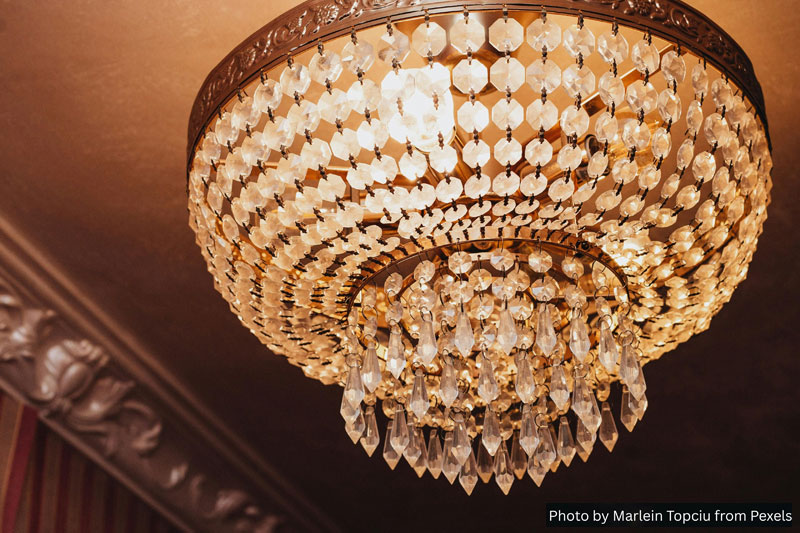
Collectors and designers seeking Lalique chandeliers may wonder what justifies their premium value. The answer is not a single factor. These chandeliers command attention because they combine artistic authorship, technical precision, historical context, and verifiable scarcity. Institutions such as The Metropolitan Museum of Art include René Lalique’s work in their permanent collections, reinforcing its importance within both Art Nouveau and Art Deco design history. For those evaluating a purchase or seeking an authentic Lalique chandelier appraisal, understanding these elements provides a clearer, more objective framework.
Why Do Collectors Prioritize Lalique Chandeliers for Sale?
Defined artistic identity: Lalique chandeliers are not generic crystal fixtures. Their forms, often inspired by flora, symmetry, or geometric repetition, reflect a consistent design language tied to René Lalique’s legacy. This design continuity is still evident in modern collections from Lalique, where crystal, light diffusion, and sculptural balance remain central to the brand’s lighting philosophy.
Material execution: The interplay between frosted and polished crystal is deliberate, not decorative excess. Light diffuses through sculpted surfaces rather than simply reflecting off them. This distinction separates Lalique from mass-produced crystal lighting.
Established market presence: Lalique pieces appear in curated auctions and specialist galleries, where cataloging standards reinforce legitimacy. Documented sales histories contribute to stable, referenceable pricing rather than speculative valuation.
What Determines Lalique Glass Chandelier Value?
Production context: Early 20th-century designs, particularly those tied to defined models, tend to hold stronger long-term interest. Later reproductions or reinterpretations may carry aesthetic appeal but typically lack the same collector weight.
Condition integrity: Even minor flaws (edge wear, internal fractures, or replaced panels) can materially affect value. With vintage Lalique lighting fixtures, originality often outweighs cosmetic perfection. A well-preserved, unrestored example is usually preferable to an over-restored one.
Completeness: Missing components reduce both visual cohesion and market confidence. Shades, mounts, and structural elements should correspond to the original design.
Markings and verification: Signatures alone are not sufficient. Appraisers evaluate placement, method (engraved vs. molded), and consistency with known examples. Authentication relies on alignment across multiple attributes, not a single indicator.
Provenance clarity: Ownership records, gallery documentation, or prior auction listings can strengthen valuation. A documented chain of custody reduces uncertainty for buyers.
How Does an Authentic Lalique Chandelier Appraisal Work?
An appraisal is a structured evaluation rather than a quick estimate. Specialists assess:
- Model identification and design period
- Glass composition, finish, and coloration
- Structural configuration and mounting hardware
- Signature type and placement
- Restoration history and alterations
- Comparable sales data
Two visually similar chandeliers can diverge significantly in value once these factors are examined. This is why relying on surface appearance alone often leads to inaccurate pricing assumptions.
Is It Worth It to Buy Lalique Crystal Chandelier Pieces?
For collectors, acquisition decisions typically balance aesthetics with long-term significance. Reviewing curated examples provides important context around scale, design variation, and craftsmanship. A selection of authenticated pieces can be seen through Paul Stamati Gallery, where collector-grade chandeliers are presented with attention to detail and provenance.
Design impact: Lalique chandeliers function as focal points. In high-end interiors, they anchor a space rather than complement it.
Market behavior: While not every piece appreciates, historically significant or well-documented examples tend to maintain demand. Buyers seeking stability focus on quality, not volume.
Placement context: The right setting enhances both visual and perceived value. Ceiling height, room scale, and surrounding materials all influence how the piece is experienced.
What Should Sellers Prepare Before Listing Lalique Chandeliers for Sale?
Preparation directly affects buyer confidence and final pricing. Sellers should assemble:
- High-resolution images from multiple angles
- Close-ups of signatures and structural details
- Accurate measurements and weight
- Documentation (receipts, prior appraisals, provenance)
- Notes on repairs or rewiring
Working with a specialist gallery such as Paul Stamati Gallery ensures the chandelier is positioned correctly within the market.
FAQs About Lalique Chandeliers
How do I verify a Lalique chandelier is authentic?
Authentication requires matching design, materials, markings, and construction details against known models and documented examples.
What factors most influence Lalique glass chandelier value?
Rarity, condition, completeness, provenance, and confirmed authenticity have the strongest impact on value.
Are vintage Lalique lighting fixtures suitable for modern homes?
Yes, but installation and wiring should be professionally evaluated to ensure safety and compatibility.
Should I get an appraisal before purchasing?
Yes. An appraisal provides clarity on authenticity, condition, and fair market value before committing to a purchase.
Where do serious collectors find Lalique chandeliers for sale?
Specialist galleries, established auction houses, and private dealers are the most reliable sources.