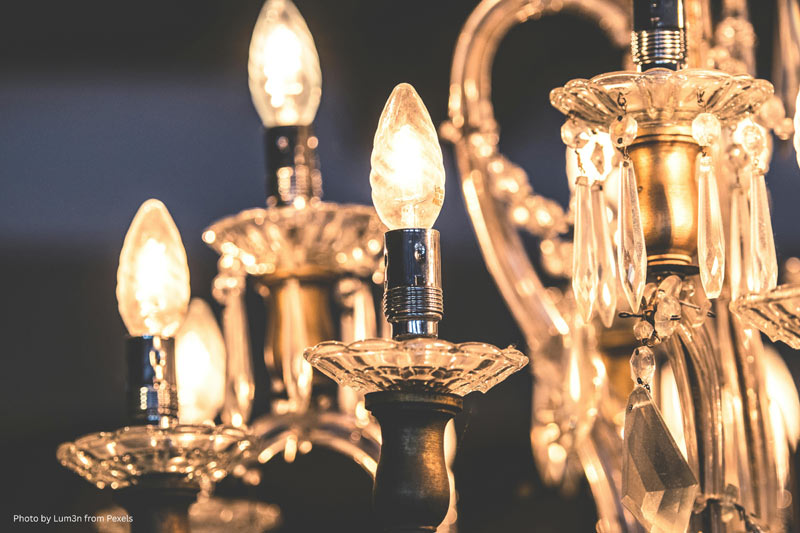
René Lalique lighting occupies a distinctive position within the Art Deco world. These works are neither purely decorative nor merely functional. Instead, they reflect a disciplined balance between sculptural expression and engineered illumination. Executed in finely worked glass and guided by natural and geometric motifs, these fixtures demonstrate how lighting can define spatial hierarchy, control atmosphere, and convey artistic intent. For collectors and designers, these objects extend beyond visual refinement; they represent a legacy of innovation whose cultural and market relevance has remained consistent for decades.
Specialist galleries and design houses such as Paul Stamati Gallery have played an important role in preserving and presenting this legacy. We curate authentic Lalique lighting within a broader context of 20th-century decorative arts. With deep historical expertise, we help collectors evaluate these works not simply as furnishings, but as significant design artifacts.
To understand why René Lalique fixtures remain so sought after, it is necessary to examine both the designer himself and the technical characteristics that define his work.
René Lalique’s Role in the Evolution of Decorative Lighting
René Lalique (1860–1945) was instrumental in reshaping decorative arts during the transition from Art Nouveau to Art Deco. While his early reputation was established through jewelry, it was his exploration of glass that produced his most enduring contributions. By the early 20th century, Lalique had begun applying industrial processes to artistic production, creating lighting designs that balanced repeatability with exceptional visual and material quality.
Several defining characteristics distinguish Lalique’s lighting:
Innovative Glass Production
Lalique refined molded and pressed glass techniques to achieve sharply defined relief patterns and consistent thickness. This approach allowed for scaled production while maintaining a high level of detail, an essential advancement during the Art Deco period.
Controlled Light Diffusion
Through frosting, engraving, and surface texturing, Lalique carefully regulated how light interacted with glass. These treatments softened illumination, reduced glare, and enhanced atmospheric depth without sacrificing clarity.
Natural and Symbolic Motifs
Floral forms, foliage, insects, and animals appear frequently. They are rendered with restraint rather than ornament excess. These motifs reflect Art Deco’s preference for stylization and abstraction over literal representation.
Architectural Intent
Lalique conceived lighting as an active architectural element. Chandeliers, sconces, and lamps were designed to occupy space deliberately. They shape the visual rhythm and spatial emphasis rather than receding into the background.
This integration of artistry and engineering positioned Lalique lighting at the forefront of modern decorative design. His fixtures were adopted by architects, luxury residences, and public interiors, where they functioned as both luminous sources and sculptural statements.
Integrating René Lalique Lighting into Contemporary Interiors
Despite their historical origins, Lalique pieces adapt seamlessly to modern interiors. Their disciplined forms and material clarity allow them to coexist with both classical architecture and contemporary minimalism.
Common applications include:
Establishing Spatial Focus
A Lalique chandelier introduces visual gravity to entry halls, dining rooms, and stairwells. Its scale and translucency naturally draw the eye while providing even, ambient illumination.
Creating Contrast Through Juxtaposition
Wall sconces or table lamps can be paired with restrained furnishings to create contrast without visual discord. Against minimalist surfaces, Lalique glass introduces texture, depth, and visual warmth.
Responding to Proportion and Volume
Fixture selection should correspond to room dimensions. Multi-tiered chandeliers perform best in expansive interiors, while compact wall lights or table lamps suit more intimate spaces.
Enhancing Narrative Value
For collectors, Lalique lighting contributes intellectual and historical depth to an interior. Each piece reflects a specific moment in decorative arts history, which reinforces the curated character of the space.
Beyond aesthetics, authentic Lalique products are increasingly recognized as a tangible asset. Demand remains strong due to finite supply, sustained institutional interest, and growing appreciation for historically significant design. Galleries such as Stamati, which specialize in museum-quality decorative arts, help bridge the gap between scholarship and acquisition by offering vetted pieces with documented context.
Why Lalique Lighting Commands Collector Confidence
Collectors value René Lalique lighting for reasons that extend well beyond visual appeal. These works occupy a unique intersection of craftsmanship, historical significance, and market stability.
Key factors driving collector confidence include:
Craftsmanship and Precision
The clarity, relief definition, and finish of Lalique glass establish a benchmark rarely equaled by later reproductions.
Historical Context
Lalique works reflect a period when design embraced modernity while retaining ornament, capturing the intellectual and aesthetic ambitions of the Art Deco era.
Market Stability
Auction and private sale data consistently demonstrate steady demand, particularly for well-preserved, documented examples.
Institutional Endorsement
Museum exhibitions, scholarly research, and archival preservation continue to reinforce Lalique’s importance, sustaining long-term collector interest.
Ownership of a Lalique lighting piece, therefore, reflects informed collecting as much as aesthetic discernment.
Sourcing Authentic René Lalique Lighting
Authenticity is critical when acquiring Lalique lighting. Serious collectors rely on established dealers and galleries with expertise in French decorative arts and Art Deco production methods.
When evaluating a fixture, collectors should consider:
- Glass Quality and Detail – Authentic examples display crisp relief, consistent thickness, and refined surface treatment.
- Condition – Chips, restorations, and surface wear directly affect value and integrity.
- Provenance – Documented history enhances credibility, collectibility, and long-term value.
Specialist galleries such as Stamati provide an important service in this process, offering carefully vetted Lalique pieces alongside expert guidance, condition analysis, and historical context.
Each verified piece carries its own narrative, adding depth and individuality to a collection.
A Lasting Expression of Art Deco Refinement
René Lalique lighting continues to define Art Deco excellence through disciplined design, technical mastery, and sculptural presence. Whether presented as a statement chandelier or a refined architectural accent, these fixtures enrich interiors with clarity, material depth, and historical resonance.
For collectors seeking to expand their holdings or refine their environments with authentic Art Deco works, Lalique offers a rare convergence of artistic integrity and enduring value. Engaging with established specialists at Stamati ensures that each acquisition is grounded not only in beauty, but in scholarship and authenticity—an investment in design history as much as in light itself.